10 Best Home Network Config Ideas to Upgrade Your Setup in 2026
 Matthew Miller
Your home network config can make or break your entire digital lifestyle — and in 2026, getting it right has never been more important. From streaming 8K content to managing dozens of smart home devices, a poorly configured network leads to dropped connections, security vulnerabilities, and endless frustration. The good news? A few smart configuration changes can transform your setup completely.
Whether you're a complete beginner or a seasoned tech enthusiast, these 10 essential network config strategies will help you build a faster, safer, and more reliable home network in 2026. Save this pin — you'll want to come back to it every time you upgrade your router or add a new device.
1. Optimize Your Router Placement and Channel Config
One of the most overlooked aspects of any home network config is where you physically place your router and how its wireless channels are set. In 2026, with Wi-Fi 7 routers becoming mainstream, channel selection and physical positioning have a dramatic impact on throughput and signal stability. Placing your router in a corner cabinet or behind a TV stand can reduce your effective range by up to 60%.
The ideal router placement is a central, elevated, open-air location — ideally on a shelf in the middle of your home. When configuring channels, use the 6 GHz band for high-bandwidth devices close to the router, the 5 GHz band for mid-range devices, and the 2.4 GHz band for IoT and smart home gadgets that need wide coverage. Use a free tool like Wi-Fi Analyzer to detect congested channels and manually select the least crowded one.
Pro-Tip: Enable "Band Steering" in your router's admin panel. This feature automatically pushes capable devices to the fastest available band without any manual intervention, keeping your network balanced and efficient at all times.
2. Set Up a Dedicated VLAN Config for Smart Home Devices
In 2026, the average household has over 30 connected smart devices — from thermostats and security cameras to smart fridges and robotic vacuums. Mixing all of these on one flat network is a serious security risk. A VLAN (Virtual Local Area Network) config isolates these devices into their own network segment, preventing a compromised smart bulb from becoming a gateway to your laptops and personal data.
To set this up, access your router's admin interface (typically at 192.168.1.1 or 192.168.0.1) and look for VLAN or Network Segmentation settings. Create at least three segments: one for trusted devices (laptops, phones), one for IoT/smart home devices, and one for guest access. Routers running firmware like OpenWRT, DD-WRT, or UniFi make this process straightforward and highly customizable.
Pro-Tip: Apply strict firewall rules between VLANs. Allow IoT devices to access the internet but block them from communicating with your trusted device segment. This single config change dramatically reduces your household's attack surface.
3. Configure a Strong DNS and Enable DNS-over-HTTPS
Your DNS (Domain Name System) config is essentially the phonebook of your internet connection — and in 2026, leaving it at your ISP's default settings is a missed opportunity for both speed and privacy. ISP-provided DNS servers are often slow, prone to outages, and may log your browsing activity for advertising purposes. Switching to a faster, privacy-focused DNS provider is one of the quickest wins in any network config overhaul.
Top DNS providers for 2026 include Cloudflare (1.1.1.1), Google (8.8.8.8), and NextDNS — all of which offer significantly faster query resolution times. Beyond speed, configure DNS-over-HTTPS (DoH) to encrypt all DNS queries, preventing your ISP or any eavesdropper on the network from seeing which websites you visit. This can be enabled directly in your router's DNS settings or within individual browsers like Chrome and Firefox.
Pro-Tip: Use NextDNS as your DNS provider and configure a custom profile with ad-blocking and malware filtering rules. This effectively turns every device on your network into a protected, ad-free experience without installing any software on individual devices.
4. Enable QoS (Quality of Service) Config for Traffic Prioritization
With multiple people working, gaming, and streaming simultaneously in one household, bandwidth conflicts are a constant 2026 reality. QoS (Quality of Service) config solves this by telling your router which traffic gets priority — ensuring your video conference never stutters because someone started a 4K Netflix stream. Without QoS, all traffic is treated equally, which sounds fair but leads to poor experiences across the board during peak hours.
In your router's QoS settings, prioritize traffic in this recommended order: VoIP and video calls first, followed by gaming traffic, then video streaming, and finally background downloads and updates. Most modern routers in 2026 support Adaptive QoS or AI-driven traffic management, which can automatically detect and classify traffic types without manual rule creation. ASUS, Netgear Nighthawk, and TP-Link Archer series all offer excellent QoS dashboards.
Pro-Tip: Enable DSCP tagging within your QoS config if your router supports it. This marks each data packet with a priority label that persists throughout the network, ensuring consistent prioritization even across mesh nodes and switches in a larger home setup.
5. Secure Your Wi-Fi with WPA3 and Advanced Firewall Config
Security config is the backbone of any well-built home network, and in 2026, the standard has officially moved beyond WPA2. WPA3 encryption provides significantly stronger protection against brute-force attacks, dictionary attacks, and man-in-the-middle exploits. If your router still defaults to WPA2, updating this single setting is one of the most impactful security decisions you can make today.
To harden your security config further, navigate to your router's firewall settings and enable: SPI (Stateful Packet Inspection), DoS (Denial of Service) protection, and IPv6 firewall rules — as IPv6 traffic is often left unprotected by default. Also disable legacy protocols like WPS (Wi-Fi Protected Setup) and UPnP (Universal Plug and Play), both of which introduce known vulnerabilities. Use a strong, unique network password of at least 20 characters mixing letters, numbers, and symbols.
Pro-Tip: Regularly audit your connected devices list through your router's admin panel. Any unrecognized MAC address could indicate an unauthorized device on your network. Set up MAC address filtering as an additional layer, or use your router's built-in device blocking feature to immediately isolate suspicious connections.
6. Configure a Mesh Network for Whole-Home Coverage
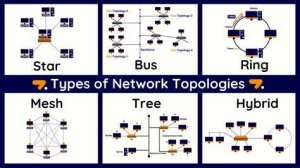
Dead zones and weak signals in bedrooms, garages, and backyards are a thing of the past with a properly configured mesh network. In 2026, Wi-Fi 7 mesh systems from brands like Eero, Google Nest, and TP-Link Deco have made whole-home coverage seamless and intelligent. Unlike traditional range extenders that create separate networks, a mesh config creates a single unified network that your devices roam between automatically without dropping connection.
When configuring your mesh system, place nodes no more than 30–40 feet apart with no more than one wall between them for optimal backhaul performance. Enable wired backhaul (connecting mesh nodes via ethernet cable) wherever possible — this dramatically increases throughput between nodes compared to wireless backhaul. Within the mesh app, configure your SSID, band preferences, and device prioritization from a single dashboard.
Pro-Tip: Enable seamless roaming (802.11r/k/v) in your mesh config. This set of protocols ensures your devices hand off between mesh nodes in milliseconds rather than seconds, making it virtually imperceptible — critical for smart devices and video calls on the move.
7. Set Up a VPN Config at the Router Level
Running a VPN on individual devices is convenient, but configuring a VPN directly at the router level means every single device on your network — including smart TVs, consoles, and IoT gadgets that can't run VPN apps — gets automatically protected. In 2026, with increasing digital privacy concerns and geo-restricted content, a router-level VPN config is a premium-level setup that's now accessible to everyday users.
To implement this, your router must support VPN client functionality — look for routers running OpenWRT, AsusWRT-Merlin, or Tomato firmware, or commercial options like the Vilfo router built specifically for VPN use. Configure the VPN using WireGuard protocol in 2026 for the best balance of speed and security — it's significantly faster than OpenVPN. Choose a reputable VPN provider like Mullvad, ProtonVPN, or NordVPN and follow their router config guides for exact setup steps.
Pro-Tip: Use split tunneling in your router VPN config to route only specific devices through the VPN (e.g., your laptop and phone) while letting other devices like smart TVs and game consoles use the regular connection for lower latency. This gives you privacy where you need it without sacrificing performance.
8. Schedule Automatic Firmware Update Config
One of the most critical — yet most frequently ignored — elements of a solid network config is keeping your router's firmware up to date. Outdated firmware is one of the leading causes of home network security breaches in 2026, as manufacturers regularly patch newly discovered vulnerabilities. A router running firmware from two years ago may have dozens of known exploits that attackers can leverage remotely.
Most 2026-era routers offer automatic firmware update settings within the admin panel. Navigate to the Administration or Advanced Settings section and enable auto-updates, scheduling them for low-traffic hours like 3:00 AM to minimize disruption. If your router doesn't support automatic updates, set a monthly calendar reminder to check the manufacturer's website for new firmware releases and apply them manually.
Pro-Tip: After every firmware update, perform a factory reset followed by a fresh config restore from a saved backup rather than simply updating in place. This clears any corrupted settings that may have accumulated and ensures the new firmware initializes cleanly — a practice recommended by network security professionals.
9. Configure Static IP Addresses for Key Devices
By default, your router assigns dynamic IP addresses to devices through DHCP — meaning a device's IP address can change every time it reconnects. For key devices like NAS drives, smart home hubs, printers, and security cameras, a stable static IP config is essential for reliable remote access, port forwarding, and network management. In 2026, with home servers and self-hosted applications becoming increasingly popular, this config step is more relevant than ever.
The cleanest way to assign static IPs is through DHCP reservation (also called static DHCP) in your router's settings. Rather than configuring static IPs on each device individually, you tell the router to always assign the same IP address to a specific MAC address. This keeps the device's network stack using DHCP (simpler to manage) while guaranteeing it always receives the same address. Use a logical IP scheme — for example, assigning all cameras to the 192.168.1.100–120 range and NAS devices to 192.168.1.130–140.
Pro-Tip: Document your entire static IP assignment table in a simple spreadsheet or a network management app like Home Assistant or Angry IP Scanner. Keeping this record updated saves hours of troubleshooting when devices behave unexpectedly or when you need to configure port forwarding rules.
10. Monitor Your Network with a Traffic Analysis Config
A truly optimized network config in 2026 doesn't just run well — it gives you complete visibility into what's happening on your network at all times. Traffic monitoring tools let you see which devices are consuming the most bandwidth, detect unusual activity that could signal a security breach, and identify bottlenecks before they become problems. This is the difference between reactively fixing issues and proactively maintaining a flawless network.
For built-in solutions, routers with ASUS AiProtection, Netgear Insight, or UniFi Network Controller offer detailed real-time traffic dashboards. For advanced users, deploy a self-hosted solution like ntopng, Grafana with InfluxDB, or Pi-hole with FTLDNS on a Raspberry Pi 5 — popular in 2026's home lab community. These tools provide granular per-device analytics, historical traffic logs, and customizable alerts for suspicious behavior like sudden bandwidth spikes at unusual hours.
Pro-Tip: Set up automated alert notifications within your monitoring config. Configure alerts for scenarios such as: a new unknown device joining the network, bandwidth usage exceeding a defined threshold, or a specific device going offline unexpectedly. Getting a push notification to your phone instantly when something unusual occurs gives you enterprise-grade network awareness at home.
Final Thoughts
A well-executed home network config in 2026 is one of the smartest investments you can make in your digital life. From securing your connection with WPA3 and VLANs, to optimizing performance with QoS and mesh networking, each of these config strategies builds toward a network that is faster, safer, and more intelligent. You don't need to implement everything at once — start with two or three changes that address your biggest pain points and build from there. Save this pin to your Home Tech board so you always have this guide handy when you're ready to level up your setup.