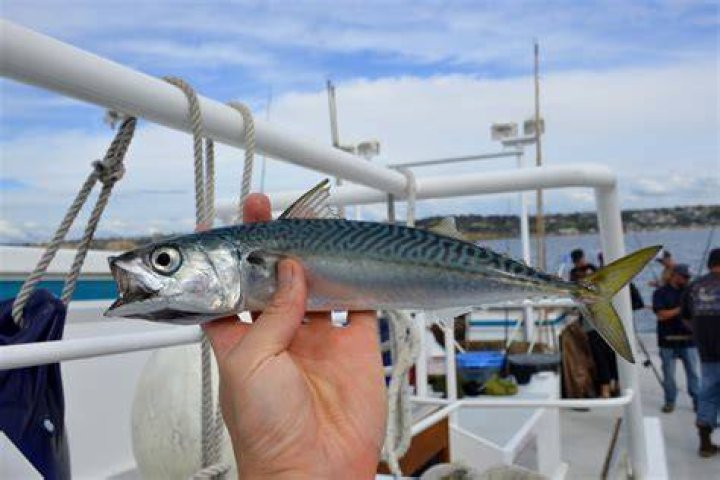
Japanese Chub Mackerel 2026 Guide: Recipes, Styling Ideas, and Healthy Saba Inspiration to Save
 Christopher Pierce
Japanese chub mackerel, often loved as saba, is becoming one of the most save-worthy seafood stars of 2026. It is affordable, rich in omega-3s, deeply flavorful, and perfect for quick meals that still feel restaurant-level.
If you are planning healthier dinners, Japanese-inspired lunch boxes, or Pinterest-perfect seafood plates, this guide gives you the best ways to cook, style, and enjoy Japanese chub mackerel in 2026.
Japanese Chub Mackerel as the 2026 Healthy Seafood Staple
Japanese chub mackerel is trending in 2026 because it fits perfectly into the new wave of nutrient-dense, budget-smart, high-protein meals. Its rich flavor feels satisfying without needing heavy sauces, making it a favorite for home cooks who want simple food with a polished, Japanese-inspired aesthetic.
The fish is naturally oily, which means it stays moist when grilled, pan-seared, broiled, or air-fried. Popular 2026 flavor palettes include sea salt, yuzu, miso, ginger, daikon, scallions, sesame, and shiso. For a balanced plate, pair it with steamed rice, pickled vegetables, cucumber salad, or a light miso soup.
Pro-Tip: If you are new to saba, start with salt-grilled Japanese chub mackerel because it highlights the fish’s natural umami. Add lemon or yuzu at the end instead of during cooking so the citrus stays bright and fresh.
Salt-Grilled Saba for a Classic Japanese Dinner Plate
Salt-grilled saba is the timeless way to enjoy Japanese chub mackerel, and in 2026 it is especially popular for minimalist dinner boards and clean, comforting meal photos. The vibe is simple, warm, and nourishing, with crispy skin, flaky flesh, and a beautiful golden finish that looks amazing on ceramic plates.
To make it, pat the fillets very dry, season generously with sea salt, and let them rest for about 15 to 20 minutes before cooking. Grill, broil, or air-fry until the skin crisps and the flesh turns tender. A classic color palette for the plate includes white rice, green scallions, pale yellow lemon, pink pickles, and deep blue or earthy brown tableware.
How to Style: Serve the fish slightly angled over rice with grated daikon on the side. Add a small dish of soy sauce and a wedge of lemon for a Pinterest-friendly composition that feels like a cozy Japanese set meal.
Miso-Marinated Japanese Chub Mackerel for Deep Umami Flavor
Miso-marinated Japanese chub mackerel is one of the most flavorful 2026 seafood ideas because it brings together sweet, salty, and savory notes in one glossy dish. The aesthetic is rich and restaurant-inspired, with caramelized edges and a warm golden-brown surface that makes the fish look luxurious.
A simple marinade can include white miso, mirin, sake, a little sugar, and grated ginger. Let the fish marinate for a few hours, then gently wipe off excess miso before cooking so it does not burn. White miso creates a sweeter, softer flavor, while red miso gives a deeper, bolder taste.
Pro-Tip: Pair miso saba with plain rice rather than heavily seasoned sides. The fish already carries strong umami, so clean sides like steamed bok choy, cucumber sunomono, or napa cabbage keep the meal balanced and elegant.
Japanese Chub Mackerel Bento Ideas for 2026 Meal Prep
Japanese chub mackerel bento boxes are gaining traction in 2026 because they combine practical meal prep with an organized, visually pleasing lunch aesthetic. The fish is protein-rich and flavorful enough to stay exciting even when served cold or at room temperature.
For a balanced saba bento, include a small portion of grilled or miso-marinated mackerel, rice, tamagoyaki, pickled radish, edamame, cucumber, and a seasonal vegetable. Use contrasting colors such as silver-blue fish skin, bright yellow egg, green vegetables, and pink pickles to create a box that looks fresh and appetizing.
How to Style: Place the mackerel as the main visual anchor, then arrange smaller sides around it in neat sections. Add sesame seeds, furikake, or thinly sliced scallions right before serving for texture and a polished finish.
Air-Fryer Japanese Chub Mackerel for Quick Weeknight Meals
Air-fryer Japanese chub mackerel is a major 2026 favorite because it delivers crisp skin with less cleanup than stovetop frying. It fits the fast, healthy dinner trend while still giving you a plated meal that feels intentional and satisfying.
For best results, pat the fish dry, lightly oil the skin, and season with salt, pepper, ginger powder, or a little shichimi togarashi. Cook skin-side up until crisp and fully cooked through. Because Japanese chub mackerel is naturally oily, you do not need much added fat.
Pro-Tip: Line the air-fryer basket with perforated parchment to make cleanup easier while still allowing airflow. Serve with a quick dipping sauce made from soy sauce, rice vinegar, grated ginger, and a tiny drop of sesame oil.
Japanese Chub Mackerel Rice Bowls with Modern 2026 Toppings
Japanese chub mackerel rice bowls are perfect for 2026 because they feel customizable, comforting, and easy to photograph. The vibe is casual but elevated, especially when the fish is flaked over rice and layered with colorful toppings.
Build the bowl with short-grain rice, flaked grilled saba, sliced cucumber, avocado, pickled ginger, scallions, sesame seeds, and nori strips. For sauces, try ponzu, spicy mayo, yuzu kosho dressing, or a light soy-ginger glaze. The key is balancing the richness of the fish with acidic, crunchy, and fresh toppings.
How to Style: Keep each topping in its own section before mixing. This creates a clean overhead photo, making the bowl more Pinterest-friendly and easier for readers to recreate at home.
Shopping and Storage Tips for Japanese Chub Mackerel
Knowing how to choose and store Japanese chub mackerel is essential in 2026 because more home cooks are buying seafood for weekly meal plans. Fresh saba should look glossy, smell clean and ocean-like, and have firm flesh with bright skin.
If buying whole fish, look for clear eyes and shiny skin. If buying fillets, avoid pieces that look dull, dry, or overly soft. Frozen Japanese chub mackerel is also a smart option because it is convenient, budget-friendly, and often processed quickly after catch.
Pro-Tip: Use fresh mackerel within one day if possible because oily fish is more delicate than lean white fish. For meal prep, cook it first, then store portions in airtight containers and enjoy within 2 to 3 days.
Final Thoughts
Japanese chub mackerel is one of the best seafood ingredients to save, pin, and cook in 2026 because it is flavorful, nourishing, and incredibly versatile. From salt-grilled saba to miso marinades, bento boxes, air-fryer dinners, and rice bowls, it can fit almost any modern home-cooking routine.
For the most delicious results, keep the preparation simple and let the fish’s natural richness shine. Add bright sides, crisp vegetables, citrus, and clean plating details to turn Japanese chub mackerel into a meal that feels both traditional and fresh for 2026.