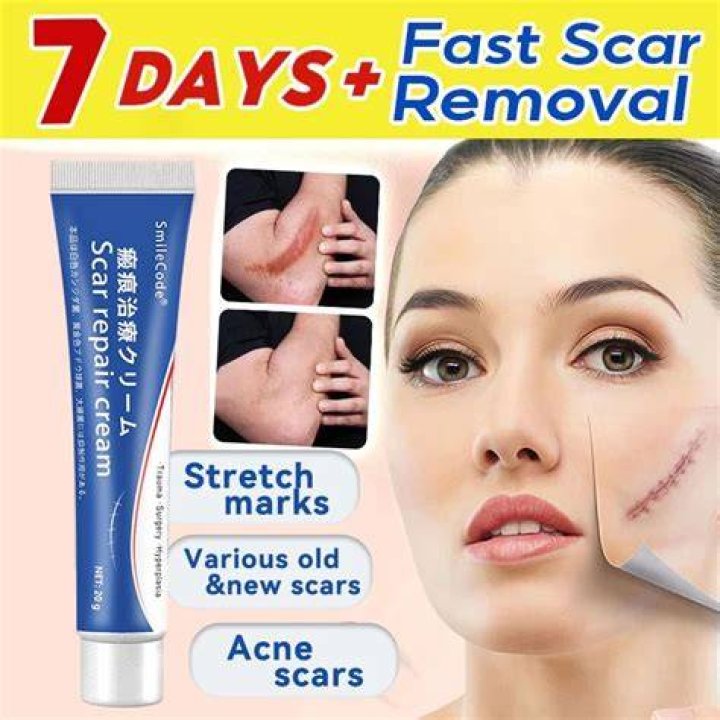
japanese scar cream
 Sarah Oconnor
Japanese Scar Cream: What to Know Before You Buy
Japanese scar cream has become a popular skincare search term for people who want smoother-looking skin and a more refined scar care routine. Many consumers are drawn to Japanese beauty products because of their reputation for gentle formulations, thoughtful ingredients, and consistent quality. If you are researching Japanese scar cream, it helps to understand what these products are, how they are commonly used, and what to look for when choosing one.
What Is Japanese Scar Cream?
Japanese scar cream is a broad term that may refer to creams, gels, ointments, or moisturizing treatments from Japanese brands that are marketed for scar care or skin recovery support. These products are often used on areas affected by acne marks, minor surface scars, dryness, or uneven skin texture.
Some formulas focus on hydration and barrier support, while others are designed to soften the appearance of scarred or rough skin over time. In many cases, people choose Japanese scar cream because they want a product that feels lightweight, layers well with skincare, and is suitable for regular use.
Why People Choose Japanese Scar Cream
There are several reasons why Japanese scar cream continues to attract attention:
- Lightweight textures that are easy to apply
- Formulas that often emphasize skin hydration
- Products designed with sensitive skin comfort in mind
- Strong interest in Japanese skincare innovation
- A wide variety of creams, gels, and ointments for different preferences
Japanese skincare is often associated with simple but effective routines. That makes Japanese scar cream appealing to users who want a focused approach without using too many heavy products.
Common Ingredients Found in Japanese Scar Cream
When comparing products, ingredient lists matter. Different Japanese scar cream formulas may include:
Hyaluronic Acid
Known for helping the skin retain moisture, hyaluronic acid can support a smoother and more supple feel.
Ceramides
Ceramides are commonly used to help reinforce the skin barrier, which may be beneficial for dry or compromised-looking skin.
Centella Asiatica
This botanical ingredient is often included in products meant to calm and condition the skin.
Vitamin E
Vitamin E is widely used in skincare for its conditioning properties and is frequently found in scar care products.
Silicone-Based Ingredients
Some scar-focused creams and gels use silicone to create a protective layer over the skin. This type of formula is often chosen to help improve the appearance and texture of scars with consistent use.
Allantoin
Allantoin is commonly included to help soothe and soften the skin.
Types of Japanese Scar Cream
Not every Japanese scar cream works the same way. The right texture and format depend on your needs and skin type.
Creams
Cream-based products are often richer and better suited for dry skin or areas that need extra moisture.
Gels
Gels usually feel lighter and may work well for oily or acne-prone skin.
Ointments
Ointments are thicker and can create a more protective layer, which some users prefer for targeted application.
Silicone Scar Gels
These are specifically designed for scar management and are often selected for raised or textured scars.
How to Use Japanese Scar Cream
A typical routine is simple:
1. Cleanse the area gently
2. Pat the skin dry
3. Apply a thin, even layer of the product
4. Use it consistently as directed on the packaging
Consistency is important in any scar care routine. Many topical products require regular use over weeks or months before visible cosmetic improvement is noticed.
It is also a good idea to use sunscreen during the day, especially if the scar or mark is exposed to sunlight. UV exposure can make discoloration appear more noticeable.
How to Choose the Best Japanese Scar Cream
When shopping for Japanese scar cream, consider the following:
- Skin type: Dry, oily, combination, or sensitive skin may respond better to different textures
- Scar type: Acne marks, post-inflammatory discoloration, and textured scars may call for different products
- Ingredients: Look for hydrating and skin-supportive ingredients that fit your needs
- Fragrance level: If you have sensitive skin, fragrance-free or low-fragrance products may be a safer choice
- Texture preference: A product you enjoy using is easier to apply consistently
- Brand reputation: Established brands with clear labeling and usage instructions can be helpful
Japanese Scar Cream for Acne Marks
A lot of interest in Japanese scar cream comes from people dealing with post-acne marks. In these cases, users often look for products that support hydration, encourage a smoother skin feel, and fit comfortably into a daily skincare routine.
For acne-prone skin, lightweight gels or non-greasy creams are often preferred. Ingredients that support the skin barrier without feeling heavy can be especially useful.
What Results Can You Expect?
Japanese scar cream may help improve the appearance, softness, and overall feel of the skin, depending on the formula and the type of mark or scar being treated. However, results vary from person to person.
Some products are mainly cosmetic moisturizers, while others are designed more specifically for scar management. Deep, old, or severe scars may require evaluation by a dermatologist or other qualified medical professional.
Important Considerations
Before using any Japanese scar cream:
- Patch test if you have sensitive skin
- Avoid applying to broken skin unless the product specifically says it is appropriate
- Follow the product instructions carefully
- Stop use if irritation occurs
- Consult a healthcare professional for severe or unusual scars
Final Thoughts
Japanese scar cream can be a useful addition to a skincare routine for people who want to improve the look and feel of scars, marks, or uneven texture. With options ranging from rich creams to lightweight gels and silicone-based formulas, there is a wide variety of products to explore.
The best Japanese scar cream for you depends on your skin type, your goals, and the kind of scar care support you want. By focusing on ingredients, texture, and consistent use, you can make a more informed choice and build a routine that supports healthier-looking skin.