かりん in English: The Complete Guide to Japanese Quince — Meaning Uses and Beautiful Botanical Secrets
 James Stevens
Have you ever come across the beautiful Japanese word かりん (Karin) and wondered what it means in English? Whether you stumbled upon it in a recipe, a garden guide, or a Japanese name, you're about to uncover one of nature's most enchanting botanical secrets. かりん translates primarily to Chinese Quince or Japanese Quince in English — a flowering shrub so stunning it has captivated gardeners, botanists, and nature lovers across the globe for centuries.
In 2026, the appreciation for Asian botanicals and traditional Japanese plant culture is surging in Western gardens and wellness circles alike. From its show-stopping spring blossoms to its aromatic golden fruits used in artisan liqueurs and preserves, かりん is so much more than just a word — it is a living work of botanical art. Let this guide be your ultimate Pinterest-worthy deep-dive into everything かりん in English!
---
1. What Does かりん Mean in English? The Core Translation Explained
The top English translations of かりん are Burmese rosewood, Chinese quince, and Karin. The most botanically common and widely used translation, however, is Chinese Quince or Japanese Quince, depending on the specific species being referred to. In Japanese, かりん is written with several kanji variations, including 花梨 (Karin) — literally meaning "flower pear" — which poetically captures the plant's delicate blossoms and fruit-bearing nature.
When Japanese speakers say かりん, they are most often referring to the flowering quince of genus Chaenomeles (Pseudocydonia sinensis), also known as the Chinese quince (Chaenomeles sinensis). This is a plant deeply woven into East Asian culture, medicine, and cuisine. In English-speaking countries, you will most commonly hear it called flowering quince, Japanese quince, or simply quince.
Pro-Tip: When searching for かりん in English gardening resources, try the scientific name Chaenomeles japonica or Pseudocydonia sinensis for the most accurate results. The English name "quince" alone can refer to several related but distinct plants, so the Japanese/Chinese qualifier matters a great deal when shopping for plants or recipes!
---
2. The Botanical Identity of かりん — Japanese Quince in Full Bloom
Chaenomeles — the scientific genus encompassing かりん — is a genus of four species of deciduous spiny shrubs, usually 1–3 meters tall, in the family Rosaceae. They are native to Eastern Asia. This botanical family connection to the rose (Rosaceae) family explains why the flowers of かりん are so breathtakingly beautiful. Chaenomeles japonica, called the Japanese quince, Maule's quince, or "Japonica," is a species of flowering quince that is native to Japan. It is a thorny deciduous shrub that is commonly cultivated.
The visual spectacle of かりん in bloom is nothing short of magnificent. Chaenomeles japonica (Japanese Quince) is a low-growing, deciduous shrub with abundant clusters of bright orange-scarlet flowers, up to 1.5 in. across (3–4 cm), adorned with creamy white stamens. Borne on thorny, tangled, leafless branches, they bloom in profusion for a few weeks in late winter and early spring, creating a brilliant floral display at a time when there is little to be excited about in the garden. In 2026, this dramatic, early-blooming quality makes かりん an absolute darling of the slow-living and cottage garden aesthetics trending across Pinterest and Instagram.
Pro-Tip: Branches can be cut from your Japanese Quince in late winter and forced to bloom indoors. This makes かりん a perfect candidate for ikebana (Japanese flower arranging) and modern botanical home décor — a top trending aesthetic in 2026 interiors!
---
3. The Flowers of かりん — Colors Varieties and Garden Aesthetics
One of the most visually captivating aspects of かりん is the sheer variety of its blooms. Most people grow flowering quince for its gorgeous, early spring blooms. The flowers are show-stoppers, and may be orange, magenta, pale pink, or red. This wide color range means that かりん fits into virtually any garden color palette — from the soft and romantic to the bold and maximalist. In 2026, the trend of planting native or East Asian ornamental shrubs as hero plants in front gardens has made かりん more desirable than ever.
The flowers are 3–4.5 cm in diameter, with five petals, and are usually bright orange-red, but can be white or pink; flowering is in late winter or early spring. The Japanese quince is best known for its colorful spring flowers, which are red, white, pink, or multicolored. For gardeners looking to create a layered visual effect, mixing different cultivars of かりん can produce a breathtaking tapestry of color right at the start of the new season.
Pro-Tip: Although all quince species have flowers, gardeners in the West often refer to these species as "flowering quince," since Chaenomeles are grown ornamentally for their flowers, not for their fruits. When selecting cultivars for maximum bloom impact, choose single-flowered varieties — they tend to produce the best floral display and bear fruit, giving you double the beauty and utility from one plant.
---
4. The Fruit of かりん — Golden Quinces and Their Culinary Magic
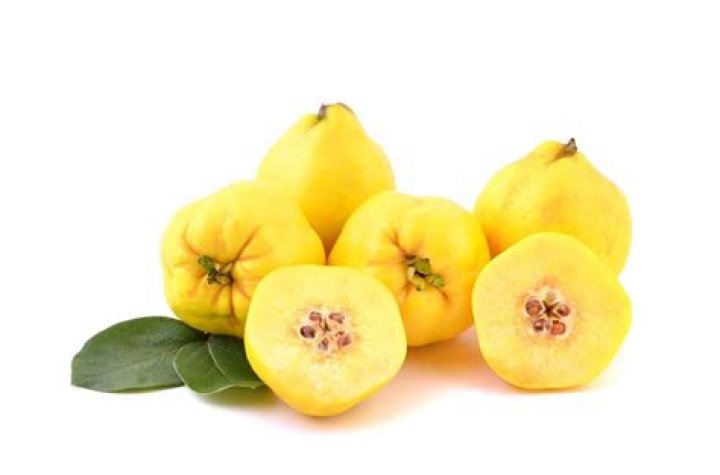
Beyond its flowers, the fruit of かりん is where things get truly interesting. It produces apple-shaped fruit, 4 to 7 centimeters in diameter, that are a golden-yellow color containing red-brown seeds. The fruit is edible, but hard and astringent, unless bletted or cooked. While you cannot bite into one like an apple, the culinary potential of かりん fruit is enormous and increasingly celebrated in artisan food and cocktail culture in 2026.
Flowering quince is cultivated primarily as an ornamental for its showy flowers, though its astringent apple-like fruit can be used in preserves and liqueurs and holds some potential as an alternate fruit crop. The fruits are suitable for making liqueurs, as well as marmalade and preserves, as they contain more pectin than apples and true quinces. This naturally high pectin content makes かりん a dream ingredient for home cooks and artisan jam-makers who want a set preserve without artificial additives.
Pro-Tip: In Japan, quinces, sugar, and alcohol are mixed to make a sweet-sour liqueur. The fruits can be infused in spirits, such as Japanese shochu, vodka, gin, or brandy. Try making your own かりん liqueur at home this autumn — it makes a stunning handcrafted gift and is perfectly on-trend with the 2026 artisan spirits and home fermentation movement!
---
5. かりん as a Japanese Name — Cultural Meaning and Symbolism
Beyond the plant world, かりん (Karin) is also a beloved Japanese given name for girls. Written as 花梨, it carries the beautiful meaning of "flower pear" or "flower forest", evoking elegance, natural grace, and feminine beauty. The name connects its bearer symbolically to the blossoms and golden fruit of the quince tree — suggesting someone who is both beautiful and fruitful in character. In 2026, Japanese botanical names are enjoying a major renaissance in global baby-naming trends, and Karin is one of the most searched Japanese names in Western countries.
The cultural symbolism of かりん in Japan runs deep. The quince tree, known for its resilience through cold winters and its explosive springtime bloom, is often associated with perseverance, renewal, and hope. The name Karin carries these same qualities, making it a name of substance and poetry. It bridges the natural world and human identity in a way that feels both timeless and deeply meaningful to modern parents looking for names with rich cultural roots.
Pro-Tip: If you are considering the name Karin for a child or a character in a story, the kanji 花梨 is the most common and aesthetically favored writing. Other kanji options exist, but 花梨 remains the most directly tied to the botanical beauty of the quince and conveys the richest symbolic meaning.
---
6. かりん in the Garden — How to Grow Japanese Quince in 2026
Growing かりん in your own garden is one of the most rewarding decisions a plant lover can make in 2026. Japanese flowering quince is an adaptable, easy-to-grow shrub. It does best in full sun for a good flowering display, but is tolerant of part shade. This versatility means かりん is suitable for a wide range of garden environments — from sun-drenched cottage borders to partially shaded urban plots. Its hardy nature makes it a favorite among low-maintenance gardeners.
Easy to care for and nearly indestructible, Japanese Quince is a perfect choice for mixed shrub borders or low-flowering hedges. The spreading form and spiny branches make this plant an excellent choice for screening or as a security barrier. The tree is also suitable for cultivation as a bonsai. Whether you want a wild and naturalistic hedge, a controlled formal shrub, or even a stunning miniature bonsai, かりん is remarkably flexible in how it can be shaped and grown.
Pro-Tip: Prune to shape as required after flowering to encourage the growth of flowering spurs. Note that such pruning will reduce fruit production. Decide early on whether you are growing かりん primarily for flowers or for fruit — this will guide your pruning strategy. For the best of both worlds, prune lightly and selectively to preserve as many fruiting spurs as possible while maintaining an attractive shape.
---
7. かりん in Food and Wellness — Traditional Uses and 2026 Superfood Trends
In Japan, かりん has long been valued not just as an ornamental plant but as a powerful wellness ingredient. Traditional Japanese wellness culture uses かりん fruit to make Karin-shu (花梨酒) — a soothing quince liqueur believed to support throat health and immunity. This centuries-old remedy is now catching the attention of the global wellness community in 2026, as consumers increasingly turn to traditional Asian botanical remedies for natural health support.
From a culinary perspective, かりん fruit is extraordinarily versatile once cooked. Flowering quince is a great fruit for making jelly, because it contains lots of natural pectin. For beginning jelly-makers who have yet to witness a crystal-clear demonstration of the jelling point, use flowering quince for your first no-pectin-added jelly. It reaches the jelling point quickly and obviously, and produces a vibrant red jelly with a bright tart taste. This vibrant color and bright flavor profile make かりん preserves not only delicious but extraordinarily photogenic — absolutely perfect for Pinterest-worthy food styling!
Pro-Tip: Sometimes referred to as 'northern lemons,' the acidic juice of Chaenomeles fruit can be used as a gentle substitute for lemon juice. Try replacing lemon juice with freshly pressed かりん juice in your autumn baking for a uniquely floral, tart flavor twist that will impress every guest. It pairs particularly beautifully with honey, cinnamon, ginger, and vanilla.
---
Final Thoughts
かりん in English opens a doorway into a world of botanical wonder, cultural richness, and timeless natural beauty. From its primary translation as Chinese Quince or Japanese Quince (Chaenomeles japonica / Pseudocydonia sinensis) to its role as a cherished Japanese given name meaning "flower pear," かりん is a word that carries multitudes. Its glorious spring blossoms, golden aromatic fruits, and deep roots in Japanese cuisine, wellness, and garden culture make it one of the most fascinating plant-words to explore in 2026.
Whether you are planning to grow it in your garden, use its fruit in artisan cooking, name a child with its poetic kanji, or simply satisfy your curiosity about Japanese botanical vocabulary — かりん deserves a permanent place in your world. Save this pin, share it with a fellow plant lover, and let the beauty of かりん inspire your 2026 garden and lifestyle journey! 🌸