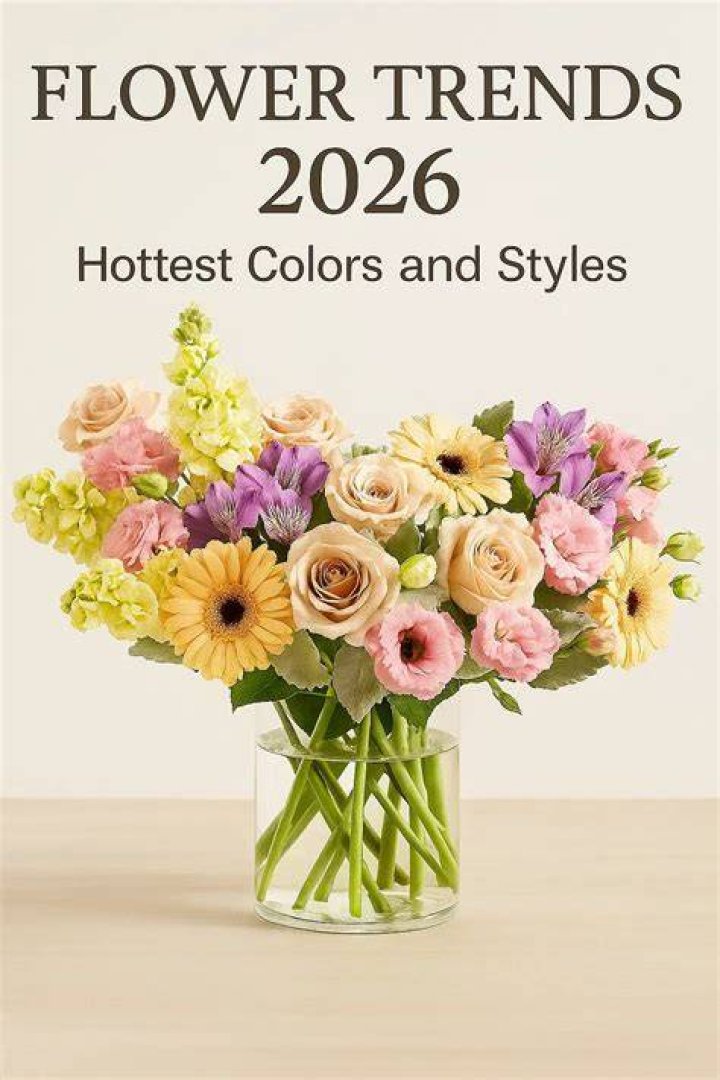
Matusita Saeko Decor: The Moody Floral Trend Set to Dominate 2026
 Emily Phillips
The floral arrangements of Japanese artist Matusita Saeko are the defining inspiration for a new wave of minimalist, deeply textured home decor in 2026. If you are craving an aesthetic that balances raw nature with sculptural precision, her work is the ultimate muse. Forget bright, cheerful bouquets; the future is moody, monochromatic, and unapologetically artistic. We are diving deep into the five key elements of her style that are set to become the biggest Pinterest trends of next year. Get your boards ready to save these breathtaking ideas.
1. Mastering the Monochrome Palette
Matusita Saeko is arguably most famous for her striking monochrome compositions. In a world of maximalism, her choice to strip color down to a single hue creates an intense, almost hypnotic focus on form and texture. This vibe is perfectly suited for the 2026 trend toward intentional, calming spaces that still carry a powerful visual punch. It is the perfect way to inject high-design energy into a room without visual chaos.
To recreate this look, choose a single color family—deep burgundy, charcoal grey, or stark white are favorites. Vary the shades from light to dark within that family to create depth. Mixing textures is crucial: glossy petals against matte leaves, soft velvety blooms paired with spiky twigs or smooth stones. The contrast in texture does the heavy lifting that color usually provides.
Pro-Tip: Start with a dried structure first. Dried seed pods or branches dyed your chosen color provide a fantastic, long-lasting backbone that you can weave fresh seasonal elements into without worrying about the whole piece wilting unevenly.
2. Embracing Sculptural Structure and Negative Space
Taking heavy inspiration from the principles of Ikebana, Saeko’s work glorifies negative space. It is not just about the flowers; it is about the void they create. This architectural approach brings a gallery-like elegance to your living space. The 2026 aesthetic is moving heavily toward this "living sculpture" dynamic, where the placement of every branch feels deliberate and tense.
Choose a vessel that is simple and heavy, like a dark ceramic block or a geometric glass cube. Anchor your largest structural branch first, extending outwards to create tension. Let one leaf or petal dictate the main focal point. The goal is to freeze a moment of natural growth mid-stride.
Pro-Tip: Look for branches with unusual bends or curves. Manzanita wood, willow, or twisted bamboo are excellent choices. The more abstract the line created by the branch, the more captivating the final arrangement will be against the empty space.
3. Curating the Dark and Moody Vibe
If the Dark Academia and Witchy aesthetics had a sophisticated, high-fashion sibling, it would be this. Matusita Saeko often works with black roses, dried dark foliage, and deep velvety textures that evoke a powerful sense of mystery and romance. This is a cornerstone of the 2026 "Noir Flora" trend.
Key botanical elements include black Baccara roses, dyed black succulents, or dried lotus pods and preserved ferns. To get the lighting right, photograph or display these arrangements against a matte black background. The contrast will make the different textures pop dramatically and give your room an immersive, cocooning feel.
Pro-Tip: You do not have to use real black flowers. Preserved or dried greenery sprayed with a matte grey or deep charcoal paint can achieve the same hauntingly beautiful effect without the high cost or fragility of fresh exotic blooms.
4. Incorporating Dried and Preserved Textures
A huge part of Matusita Saeko's signature is her use of ephemeral elements that feel frozen in time. The crisp, delicate nature of dried and preserved botanicals creates a unique textural contrast that is impossible to achieve with fresh flowers alone. This perfectly aligns with the 2026 focus on sustainable decor that lasts a lifetime.
Combine soft dried bunny tails with rigid preserved eucalyptus pods and wispy skeleton leaves. The key is layering textures for depth. You can also dip fresh blooms in wax (a common technique in her style) to preserve their exact shape long after they would have wilted, extending the life of your investment.
Pro-Tip: To get that signature "frozen in time" look, consider using a clear, matte-dry resin or preservation spray on your arrangement. This allows you to create a piece that will look perfect for months, not just days, making it a high-value decor item.
5. The Art of the Singular Statement Flower
In a dramatic departure from lush bouquets, Saeko often highlights a single, perfect bloom. This practice demands that the viewer stop and truly see the flower. It is an intentional act of mindfulness in design. This minimalist approach is huge for 2026 small-space living trends, proving that you do not need a lot of material to make a massive impact.
Choose a bloom with incredible character—an open rose with intricate petal geometry, a unique orchid, or a single massive protea. Place it low in a shallow dish or high on a kenzan (flower frog). The surrounding space should be completely clear to honor the flower and give it room to breathe.
Pro-Tip: Lighting is everything here. Place your single bloom under a pinspot light or direct window light to cast dramatic shadows. The shadow of the stem is just as important as the flower itself in completing the composition and adding that graphic, architectural quality.
Final Thoughts
Matusita Saeko's art is more than just a fleeting internet trend; it is a masterclass in seeing the beauty in dark, quiet, and structural forms. By embracing these five principles in your own home in 2026, you aren’t just decorating—you are curating an emotional experience. Save this guide to your favorite Pinterest board to keep the inspiration flowing every time you need to create a moment of dramatic floral tranquility in your space.