10 Stunning Room Config Ideas That Will Transform Your Space in 2026
 Matthew Cannon
Your room configuration is the silent architect of your daily mood, productivity, and comfort. In 2026, smart space planning has become one of the most-pinned topics on Pinterest — and for good reason. The way you arrange, layer, and configure your living spaces can completely transform how a room feels, functions, and flows.
Whether you're working with a tiny studio apartment or a sprawling open-plan home, the right room config strategy can unlock hidden potential in every square foot. These 10 trending room configuration ideas are here to inspire your next big home refresh — save this pin before you start rearranging!
1. The Floating Furniture Config — Create Space Without Walls
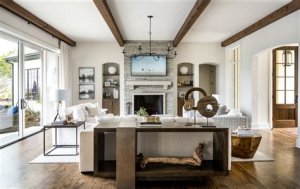
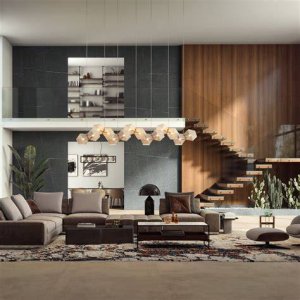
One of the biggest interior design shifts of 2026 is pulling furniture away from the walls. The floating furniture config creates an intentional, curated aesthetic that signals sophistication and purposeful design. Instead of lining sofas and shelves against the perimeter, pieces are anchored in the center of the room around a focal point — a rug, a coffee table, or a statement light fixture.
To execute this config effectively, start with a large area rug (at least 8x10 feet) as your anchor. Choose furniture in warm neutrals — think sand, warm white, and terracotta — to keep the floating arrangement from feeling cold or disconnected. Pair with low-profile sofas and round tables to encourage visual flow around the grouping.
Pro-Tip: Leave at least 18–24 inches of walkway space around your floating furniture grouping. This breathing room is what makes the layout feel intentional rather than cramped, and it photographs beautifully for Pinterest boards.
2. The Zoned Open-Plan Config — Divide Without Dividing
Open-plan living dominated the 2010s, but 2026 is all about intentional zoning within those open spaces. The zoned config uses furniture, lighting, rugs, and subtle architectural elements to carve distinct "rooms within a room" — a dining zone, a lounge zone, a reading nook — all within one continuous floor plan. This creates a home that feels both expansive and cozy at the same time.
Key tools for zoning include double-sided bookshelves, pendant lights hung over specific zones, contrasting rug textures, and varying ceiling treatments. Color plays a huge role — painting one zone in a deep sage or navy while keeping adjacent zones in light neutrals creates visual separation without physical barriers.
Pro-Tip: Use lighting as your most powerful zoning tool. A warm-toned pendant over the dining area and a cooler, diffused floor lamp in the reading zone signal different moods and functions instantly — no walls required.
3. The Multi-Functional Bedroom Config — Work, Rest, and Play
The bedroom is no longer just for sleeping. In 2026, multi-functional bedroom configs are trending heavily as remote work, self-care routines, and personal wellness spaces merge into one room. The challenge — and the art — is configuring the space so that each function feels separate and intentional, even within the same four walls.
A successful multi-functional bedroom config typically segments the room into three micro-zones: a sleep zone (the bed as centerpiece), a work zone (a compact desk tucked beside a window or in an alcove), and a relaxation zone (a reading chair or small vanity). Use curtain dividers, room screens, or even a change in flooring material like a sheepskin rug under the desk area to signal zone transitions.
Pro-Tip: Face your work zone away from the bed. This psychological boundary helps your brain switch off from work mode when you transition to the sleep zone — a small config choice with a massive impact on sleep quality and productivity.
4. The Vertical Config — Go Up, Not Out
When floor space is limited, the vertical config is your best friend. This approach maximizes wall height by installing tall shelving units, wall-mounted storage, hanging plants, and stacked decor elements that draw the eye upward. In 2026, the vertical config has evolved from purely practical to deeply aesthetic — think gallery walls that reach the ceiling, floor-to-ceiling linen curtains, and climbing botanical installations.
For the vertical config to work, choose slim, tall furniture — bookcases that reach 7–8 feet, narrow console tables, and wall-mounted nightstands. Color the upper walls in a slightly lighter shade than the lower walls to amplify the sense of height. Materials trending in 2026 for vertical configs include raw oak, brushed brass hardware, and woven rattan panels.
Pro-Tip: Install your curtain rods as close to the ceiling as possible and let curtains pool slightly on the floor. This single styling trick makes any room feel dramatically taller and more luxurious without any structural changes.
5. The Hygge Corner Config — The Ultimate Cozy Nook
The Hygge corner config is one of the most-saved Pinterest aesthetics heading into 2026. Rooted in the Danish concept of cozy contentment, this configuration takes an underused corner of any room and transforms it into a fully realized sanctuary. Think: a curved armchair, a small side table, a stack of books, a soft throw, and a single warm lamp — all layered together into a pocket of pure comfort.
The palette for a hygge corner config leans heavily into warm neutrals and earthy tones — oatmeal, rust, deep burgundy, and forest green. Textures are everything here: chunky knit throws, velvet cushions, sheepskin rugs, and linen lampshades all work together to create that signature enveloping warmth. A small tray with a candle and a ceramic mug completes the vignette.
Pro-Tip: Add a small built-in or freestanding bookshelf beside the chair to frame the corner and create the feeling of an enclosed nook. Even in a large room, this framing technique makes the hygge corner feel like its own private world.
6. The Symmetrical Power Config — Balanced and Bold
Symmetry is making a powerful comeback in 2026 interior design. The symmetrical power config centers around a strong focal point — a bed, a fireplace, a statement TV wall — and mirrors elements on either side with intentional precision. Matching nightstands, paired sconces, twin armchairs, and balanced artwork create a sense of calm authority that is both visually satisfying and deeply Pinterest-worthy.
To pull off the symmetrical config, choose a dominant focal wall and build outward from its center. Use identical or near-identical pieces on each side. The color palette should be controlled and cohesive — deep charcoal, aged brass, and cream are particularly strong combinations in 2026. Avoid clutter; every item on each side should have a counterpart or intentional negative space.
Pro-Tip: You don't need perfectly identical pieces to achieve symmetry. Visual weight symmetry works just as well — balance a tall floor lamp on one side with a tall plant on the other. Same height, same visual mass, different objects — this approach feels curated rather than catalog-like.
7. The Kitchen Triangle Config — Reimagined for 2026
The classic kitchen work triangle (sink, stove, refrigerator) has been reimagined for 2026's more social and multi-cook kitchens. Modern kitchen configs now incorporate work zones rather than a single triangle — a prep zone, a cooking zone, a cleanup zone, and increasingly, a coffee and beverage station as its own dedicated config element. This approach accommodates multiple people working in the kitchen simultaneously without chaos.
In terms of layout, the most trending kitchen configs of 2026 include the galley-with-island hybrid and the L-shaped config with a peninsula. Countertop materials trending this year include fluted stone, honed Calacatta marble, and recycled terrazzo. Cabinet configs are moving toward full-height handleless fronts in muted clay, slate blue, and warm black tones.
Pro-Tip: Always configure your kitchen so the refrigerator is accessible from both the prep zone and the entry point of the kitchen. This prevents traffic bottlenecks when entertaining and makes the space dramatically more functional for busy households.
8. The Biophilic Config — Bring the Outside In
Biophilic design — the practice of integrating natural elements into interior spaces — has reached full mainstream status in 2026. The biophilic config is about more than just adding a few houseplants. It's a holistic approach to room arrangement that prioritizes natural light access, organic shapes, living walls, water features, and raw natural materials as primary design drivers rather than afterthoughts.
To configure a room biophilically, start by mapping your natural light sources and arranging all seating and workspaces to take maximum advantage of them. Introduce plants at multiple heights — trailing species on high shelves, floor-standing palms and fiddle-leaf figs, and small succulents on windowsills. Material palette should include raw linen, jute, unfinished timber, stone, and terracotta.
Pro-Tip: Position your largest, most statement plant — a monstera, olive tree, or bird of paradise — in the line of sight from your primary seating position. Research shows that viewing greenery from a resting position actively reduces cortisol levels. Your config can literally make you healthier.
9. The Micro-Space Config — Making 300 Square Feet Feel Like a Dream
Urban living in 2026 means more people are mastering the art of the micro-space config. With studio apartments and compact homes becoming the norm in major cities, the ability to configure a small space to feel open, functional, and genuinely beautiful is one of the most valuable skills a homeowner or renter can develop. The best micro configs prioritize multifunctional furniture, visual lightness, and ruthless intentionality.
Key pieces for a micro-space config include murphy beds with integrated desks, expandable dining tables, ottomans with internal storage, and wall-mounted folding surfaces. Mirrors are non-negotiable — a full-length or oversized mirror on a key wall can visually double the perceived size of a room. Stick to a monochromatic or two-tone palette to prevent the space from feeling busy.
Pro-Tip: In a micro-space config, every single item must earn its place. Before bringing anything into the space, ask: does this serve at least two functions or bring significant joy? If not, it doesn't belong. This Marie Kondo-meets-architecture mindset is the foundation of every successful small-space config.
10. The Outdoor-Indoor Config — Seamless Living in 2026
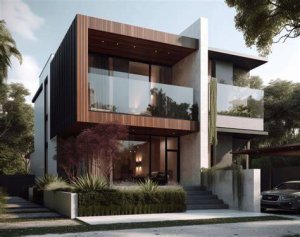
The indoor-outdoor config is the pinnacle of 2026 home design ambition. This configuration blurs the boundary between interior living spaces and outdoor areas — patios, decks, gardens — through the use of large sliding or folding glass doors, continuous flooring materials, and cohesive furniture palettes that flow seamlessly from inside to outside. The result is a home that feels dramatically larger and deeply connected to nature.
For an effective indoor-outdoor config, choose weather-resistant indoor furniture or bring true outdoor materials inside — teak, powder-coated aluminum, and outdoor-grade fabrics like Sunbrella. Use the same large-format tile or timber decking both inside and outside to visually extend the floor plane. Lighting should be consistent across both zones to eliminate the hard visual break that occurs after dark.
Pro-Tip: Configure your indoor furniture so that at least one major seating group faces directly toward the outdoor space. This sight line is the secret to making the indoor-outdoor connection feel intentional and immersive rather than accidental. Add a matching outdoor rug to mirror your interior rug and the illusion is complete.
Final Thoughts
The right room config is about far more than furniture placement — it's about designing a life that works for you. Whether you're drawn to the cozy intimacy of a hygge corner, the sleek efficiency of a micro-space setup, or the breathtaking openness of an indoor-outdoor flow, 2026 is the year to be intentional about how your spaces are configured. Save this pin, pick the config that resonates most with your lifestyle, and start transforming your space today. Your dream room is just a rearrangement away.