10 Home Config Ideas That Will Transform Your Space in 2026
 Benjamin Ward
Your home is more than just four walls — it's a living, breathing reflection of who you are. Whether you're starting fresh or giving your space a serious upgrade, the way you configure your home in 2026 can make all the difference between a house that feels chaotic and one that feels like a sanctuary. The latest interior trends are all about intentional design, smart layouts, and spaces that actually work for your lifestyle.
From maximizing small rooms to creating multifunctional zones, the concept of home configuration has evolved far beyond simple furniture arrangement. In 2026, it's about layering aesthetics with function, blending technology with texture, and creating environments that feel both curated and effortlessly livable. Ready to transform your space? Let's dive in.
1. Open-Plan Zoning: Define Every Corner with Purpose
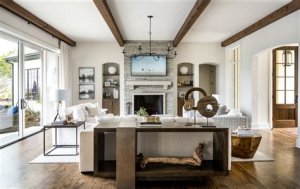
Open-plan living has dominated interior design for years, but in 2026, the trend is shifting toward intentional zoning within open spaces. Rather than one giant, undefined room, designers are carving out distinct areas for dining, lounging, working, and entertaining — all within the same footprint. This approach creates a sense of order and calm without sacrificing the airy, connected feeling that open plans are loved for.
To achieve this look, use area rugs, pendant lighting clusters, and low-profile shelving units to visually separate zones. Color blocking on walls or ceilings is another powerful tool — a warm terracotta accent wall anchors the dining area while a soft sage green defines the living zone. Furniture placement should always face inward toward the zone's focal point, reinforcing boundaries naturally.
Pro-Tip: Use a consistent material palette across all zones — think matching wood tones or a unified metal finish on fixtures — to keep the entire open plan feeling cohesive even as individual areas maintain their own identity. This prevents the space from feeling fragmented or busy.
2. Modular Furniture Configuration for Flexible Living
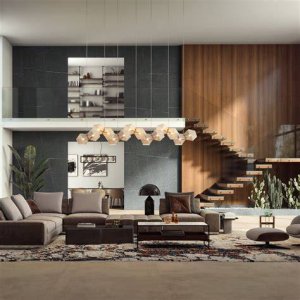
In 2026, modular furniture is the ultimate power move for anyone who wants a home that adapts to their ever-changing lifestyle. Whether you're hosting a dinner party on Friday and converting your living room into a yoga studio on Sunday, modular configurations give you the freedom to rearrange on a whim. This trend is especially popular among urban dwellers and renters who need maximum flexibility from every square foot.
Look for sectional sofas with detachable chaise components, stackable storage ottomans, and wall-mounted desk units that fold away cleanly. Brands in 2026 are producing modular systems in rich, textural fabrics like boucle, velvet, and recycled linen — so you never have to sacrifice style for function. Neutral base colors like warm oat, charcoal, and dusty blush are the most versatile choices for mix-and-match configuration.
Pro-Tip: When buying modular pieces, always invest in the core unit first and expand gradually. Choose a system from a single brand to ensure future add-ons match perfectly in both size and finish. This creates a seamlessly scalable home configuration that grows with your needs.
3. Smart Home Tech Integration: The Invisible Configuration
The most sophisticated home configurations in 2026 are the ones you barely notice. Smart home technology has gone invisible — embedded into walls, furniture, and fixtures without a single visible wire or clunky device in sight. From AI-powered lighting systems that adjust to your circadian rhythm to hidden speakers woven into ceiling panels, the best-configured smart homes feel like magic.
Key tech integrations to prioritize include in-wall charging panels, smart mirrors with ambient display capabilities, motorized window treatments, and voice-activated climate zones. When planning your home configuration, run all smart tech infrastructure — cables, hubs, and sensors — during the initial setup phase so nothing needs to be retrofitted later. Pair with a central home automation hub that connects all systems under one intuitive app.
Pro-Tip: Always future-proof your smart home config by installing conduit pipes inside walls during any renovation. This allows you to thread new cables as technology evolves without ever needing to tear open your walls again. A little planning today saves enormous headaches tomorrow.
4. Kitchen Layout Configuration: The New Work Triangle Rules
The classic kitchen work triangle — connecting the stove, sink, and refrigerator — is being reimagined in 2026 into what designers are calling the "work zone cluster." As kitchens become social hubs where cooking, dining, and entertaining all happen simultaneously, the configuration needs to support multiple users moving through the space at once. This means dedicated prep zones, cooking stations, and cleanup areas that each function independently.
The most coveted kitchen configurations in 2026 feature waterfall island extensions, double-wide prep sinks, and built-in appliance garages that hide small appliances behind panel-matched doors. Cabinetry hardware is leaning toward integrated finger-pull designs for a sleek, handle-free aesthetic. Popular color configurations include deep forest green uppers with warm white lowers, or full matte black kitchens with brass hardware accents.
Pro-Tip: Always place your most-used prep surface — typically the island or a long counter run — directly adjacent to your primary sink and stove. This single configuration decision will reduce your steps by hundreds each week, making cooking feel effortless rather than exhausting.
5. Bedroom Configuration for Rest and Restoration
In 2026, the bedroom is being reconfigured as a true sanctuary for rest and restoration — a deliberate departure from the trend of cramming in desks, TVs, and workout gear. The wellness-forward bedroom configuration places the bed as the undeniable focal point, flanked by thoughtfully chosen nightstands and bathed in layered, dimmable lighting. Every element serves the single purpose of promoting deep, restorative sleep.
The ideal bedroom configuration keeps screens and workspaces entirely out of the sleeping zone. Instead, invest in a plush upholstered headboard that doubles as a visual anchor, built-in bedside sconces that eliminate table clutter, and a dedicated reading nook tucked into a corner. Textiles are everything in 2026 bedroom configs — layer linen sheets with a weighted throw, add a sheepskin rug underfoot, and hang full-length velvet drapes to block light completely.
Pro-Tip: Position your bed so that you can see the door from a lying position without being directly in line with it. This classical feng shui configuration — known as the "command position" — has a measurable psychological effect on how safe and relaxed you feel in your bedroom, leading to consistently better sleep quality.
6. Home Office Configuration for Maximum Productivity
With hybrid work firmly established as the new normal, the home office configuration has become one of the most important design decisions you can make in 2026. A poorly configured workspace destroys focus and bleeds work stress into your personal life. A brilliantly configured one, however, can boost productivity, creativity, and even your professional image on video calls. The stakes have never been higher for getting this space right.
The gold standard 2026 home office configuration includes a monitor arm for an elevated, ergonomic screen position, a standing desk with programmable height presets, acoustic panels on the wall behind your chair, and strategic lighting — ideally a ring light or diffused panel light positioned at face level. Built-in shelving behind or beside the desk adds depth and visual interest to your video call background while also serving genuine storage needs.
Pro-Tip: Always configure your desk so that natural light hits you from the side, never from directly behind or in front. Side lighting eliminates screen glare and keeps your face naturally lit for video calls — a simple configuration tweak that immediately elevates your professional presence without spending a single extra dollar.
7. Bathroom Layout Configuration: Spa Energy at Home
The bathroom is no longer just a utility space — in 2026, it's a personal wellness retreat, and its configuration needs to reflect that elevated purpose. The spa-inspired bathroom configuration separates the wet zone (shower and bath) from the dry zone (vanity and toilet) to create a flowing, logical sequence through the space. This separation not only improves function but creates a genuine sense of arrival and ritual every time you step in.
Key elements of the 2026 spa bathroom configuration include a freestanding soaking tub positioned as a sculptural focal point, a walk-in rainfall shower with a built-in teak bench, floating double vanity with backlit mirror panels, and heated stone or wood-look tile floors. Earthy tones dominate — think warm travertine, greige plaster walls, and matte black or brushed gold fixtures. Integrated storage niches in the shower eliminate the need for caddies and keep surfaces pristinely clean.
Pro-Tip: Install your shower niche on the wall perpendicular to your showerhead, not directly across from it. This keeps your products out of the direct water stream, preventing soap buildup and making your shower feel considerably more organized and intentional — a small configuration detail with a huge daily quality-of-life impact.
8. Outdoor Space Configuration: Extending Your Living Area
In 2026, outdoor spaces are being configured with the same level of intention as interior rooms. The concept of the "outdoor room" has fully matured, with homeowners investing in permanent structures, quality weatherproof furnishings, and layered lighting to create al fresco living areas that function year-round. A well-configured outdoor space dramatically expands your home's usable square footage without a single square foot of new construction.
The best outdoor configurations in 2026 feature a defined seating zone with a low-profile pergola or sail shade overhead, a separate dining area with a built-in outdoor kitchen, and a transitional zone with fire pit or outdoor fireplace that bridges social and meditative use. Use large-format porcelain pavers or hardwood decking to ground each zone. Outdoor-rated string lights, uplighting on trees, and lantern clusters create the warm, intimate ambiance that makes outdoor spaces irresistible after dark.
Pro-Tip: Configure your outdoor seating so that it faces inward toward a focal point — a fire pit, a water feature, or a garden wall — rather than outward toward a fence or road. This creates a sense of enclosure and intimacy that makes outdoor gatherings feel cozy and intentional rather than exposed and informal.
9. Storage Configuration: The Art of the Organized Home
No home configuration is complete without a masterfully planned storage strategy. In 2026, storage has become a design feature in its own right — not something to be hidden but something to be celebrated. From open-shelf pantries styled like editorial kitchen shoots to walk-in wardrobes with custom lighting and mirrored walls, beautifully configured storage is one of the most "Pinnable" and aspirational elements of modern home design.
The most effective storage configurations in 2026 follow the principle of "store by frequency of use." Items used daily live at eye level and within arm's reach. Weekly items go on upper shelves or deeper drawers. Seasonal and rarely used items get the highest and lowest positions. Built-in cabinetry that runs floor to ceiling maximizes every inch of vertical space. Inside cabinets, use drawer organizers, pull-out trays, and lazy Susans to prevent the dreaded "doom drawer" effect.
Pro-Tip: When configuring any storage space, always leave 20% of the capacity empty at installation. This breathing room keeps the space feeling organized and manageable as your possessions naturally grow and shift over time — and it prevents the "full from day one" frustration that kills even the best-designed storage systems.
10. Color Configuration: Setting the Mood Room by Room
Color is perhaps the most powerful configuration tool at your disposal — and in 2026, designers are using it with unprecedented boldness and intentionality. Color configuration is the art of assigning the right hue to each room based on its function and the emotional state it should evoke. Rather than painting the entire home in a single neutral, 2026's most acclaimed interiors use a carefully curated flow of colors that shift the energy as you move from room to room.
The 2026 color configuration playbook looks like this: energizing terracotta or warm amber for kitchens and dining rooms, deep moody navy or forest green for home offices and libraries, soft blush and stone gray for bedrooms, and crisp warm white or creamy ivory for bathrooms and entryways. Transitional spaces like hallways and staircases are being treated as feature moments — wallpapered in botanical prints or painted in dramatic deep hues that create a sense of journey through the home.
Pro-Tip: Always test paint colors at three different times of day — morning, midday, and evening — before committing. Natural and artificial lighting will change a color dramatically. A color that looks like a perfect soft sage in the morning paint chip can appear almost gray-green under evening incandescent light. This one configuration habit will save you from expensive, regrettable repaints.
Final Thoughts
Great home configuration is not about having the biggest budget or the most square footage — it's about making intentional, thoughtful decisions that align your space with how you actually live. The ideas above represent the best of 2026's design thinking: flexible, functional, beautiful, and deeply personal. Whether you tackle one room at a time or overhaul your entire home, every single configuration choice is an opportunity to create a space that supports your best life. Start pinning your favorites, save what inspires you, and remember — your dream home is just one good decision away.